





Construction Waste Removal
Construction Waste Removal
Description
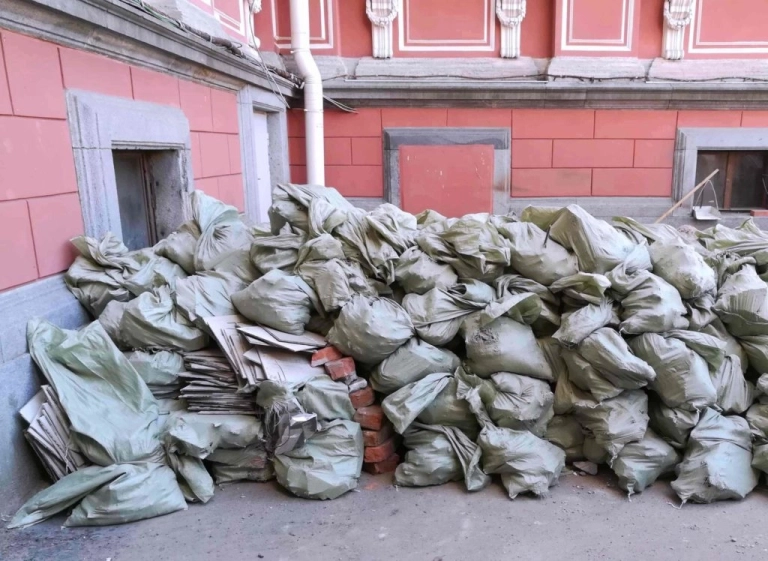
Construction waste removal involves collecting, sorting, transporting, and disposing of leftover materials from construction sites. These wastes can include concrete, wood, metal, plaster, bricks, plastics, and hazardous materials such as paints or solvents.
Stages
-
Waste Identification
Before starting the project, an assessment is carried out to identify the types of waste that will be generated. -
On-site Sorting
Waste is sorted based on type: recyclable, reusable, hazardous, or general waste. -
Temporary Storage
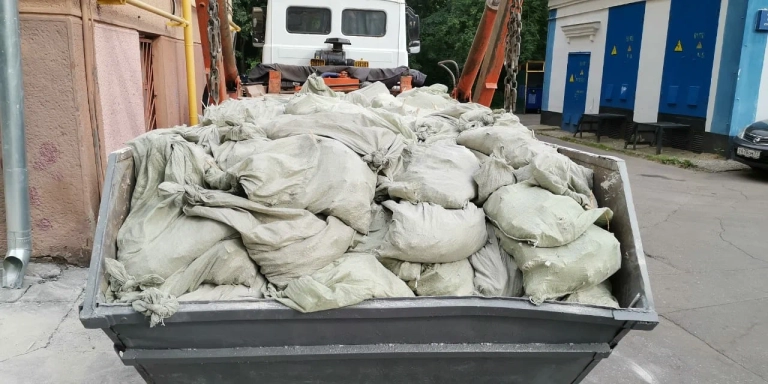
Containers or dumpsters are placed on site for safe storage of the sorted materials. -
Transport
Waste is transported to authorized treatment or recycling centers. -
Processing or Disposal
Materials are either recycled, used for energy recovery, or taken to landfills depending on their nature.
Importance
-
Site Organization: Proper waste management prevents clutter and reduces the risk of accidents.
-
Environmental Impact: Sorting and recycling help reduce pollution and the consumption of natural resources.
-
Legal Compliance: Waste management regulations must be followed to avoid legal issues.
Occupational Safety
-
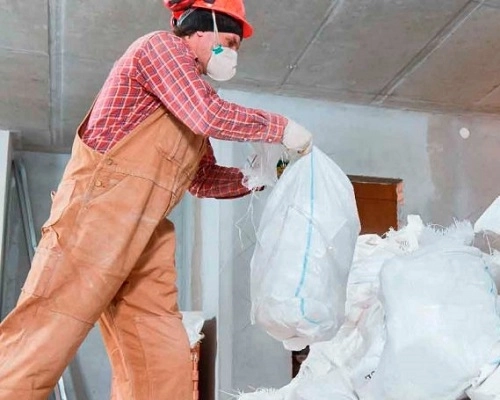
Personal Protective Equipment (PPE): Helmets, gloves, masks, and safety boots are required.
-
Worker Training: Workers must be informed about the risks associated with different types of waste.
-
Proper Signage: Sorting and storage zones must be clearly marked.
Environmental Safety
-
Reduction of Pollutant Emissions: Through recycling and reuse.
-
Prevention of Soil and Water Contamination: Hazardous waste must be handled carefully.
-
Support for Circular Economy: Proper waste management helps reintegrate materials into new construction projects.
Call now at 5142627275 for consultation.